A Foundation for Lifelong Success…
What is Early Childhood Education?
Affiliate Disclosure:
Heads up: As an Amazon Associate, I earn from qualifying purchases. Some of the links on this page might be affiliate links. That means if you click and make a purchase, I earn a small commission—at no extra cost to you.
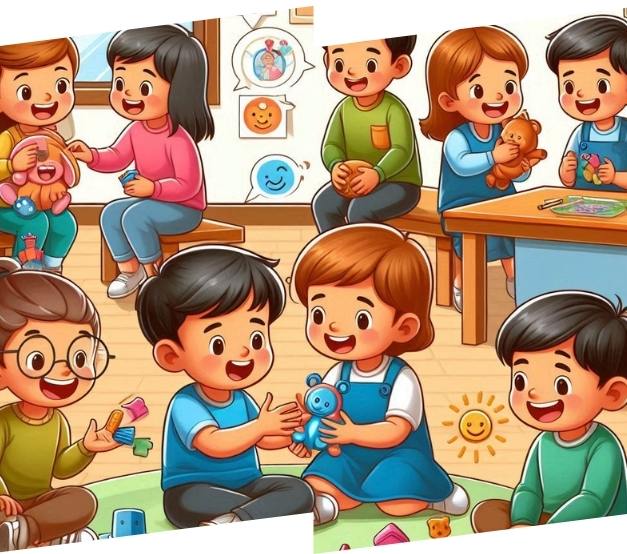
Early childhood education involves providing foundational learning experiences for children from birth to age 8.
This focuses on the cognitive, social, emotional, and physical development of young children, laying the groundwork for their future academic and life success.
Early Childhood Educators create nurturing environments where children can explore, play, and learn through meaningful activities and interactions.
Areas of Development
Physical Development
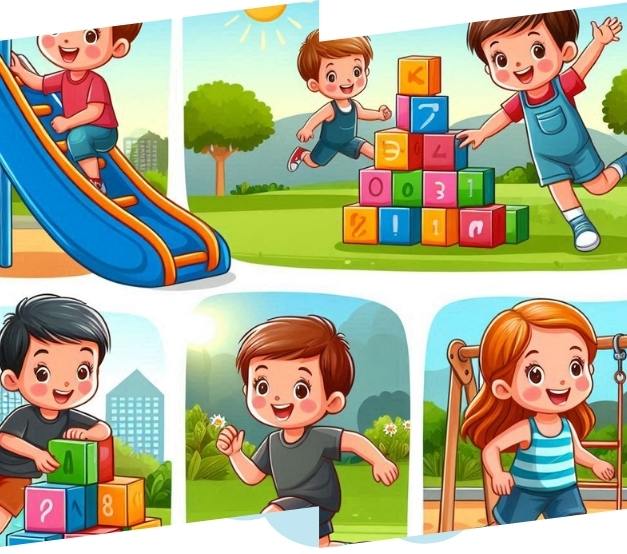
Physical development involves significant growth in both fine and gross motor skills.
Children become more coordinated, gain strength, and enhance their balance.
Social and emotional development in early childhood plays a crucial role in shaping a child’s future relationships and mental well-being.
Social and Emotional Development
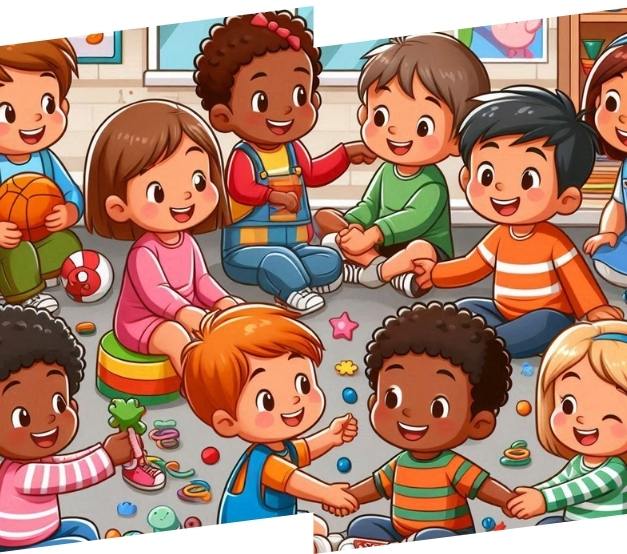
Social and emotional development involve learning to manage and express emotions, establish positive relationships, develop empathy, and build self-confidence.
This period is a critical time for children to learn how to interact with others, understand their own emotions, and navigate social situations.
The Role of Early Childhood Education
Preparation for School
Early childhood education plays a crucial role in preparing children for school.
By laying a strong foundation for learning and development, it helps children build essential social, emotional, cognitive, and physical skills that are vital for their success in school and later life.

Shaping Lifelong Learning
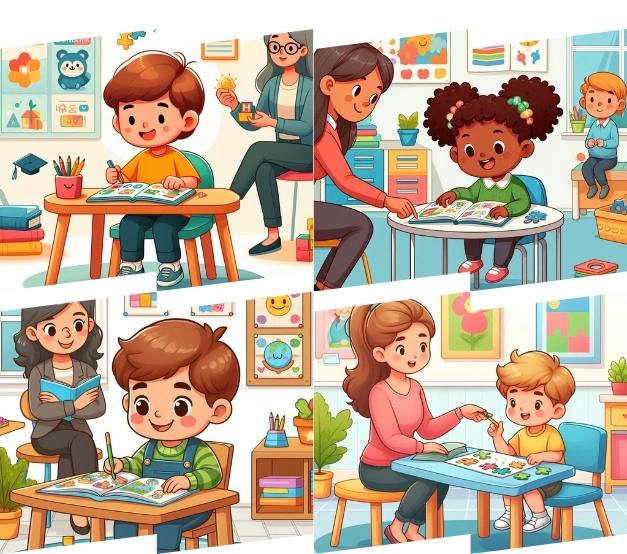
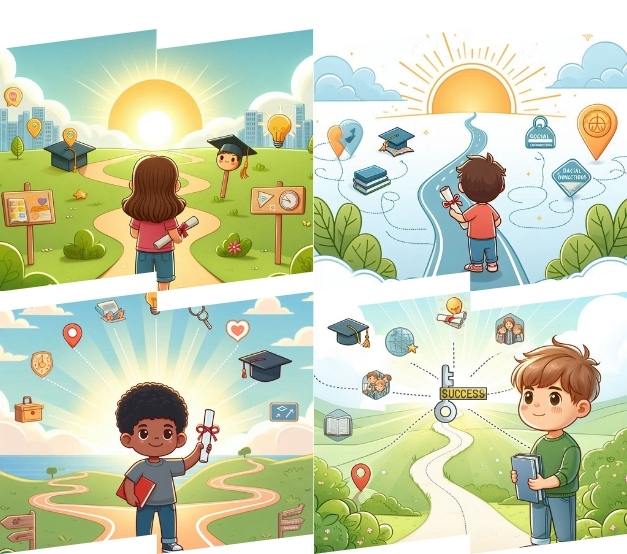
Early education plays a crucial role in shaping lifelong learning by establishing a strong foundation for acquiring knowledge and skills that are essential for future academic and professional success.
Children who receive quality early education are more likely to develop a love for learning and exhibit better cognitive and socio-emotional abilities throughout their lives.
The Importance of Play
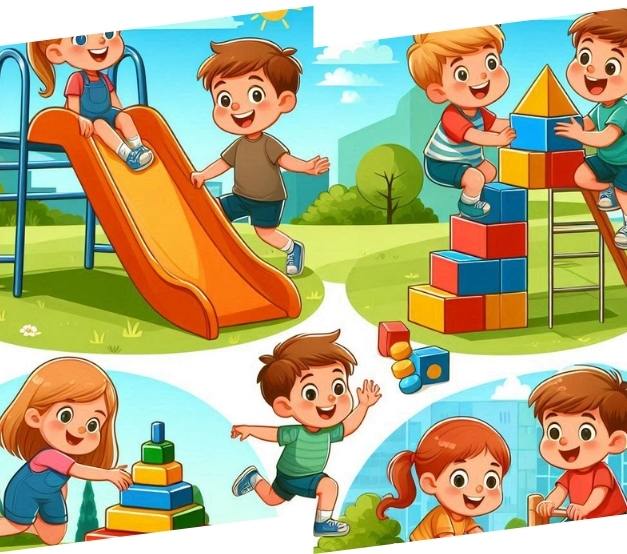
Play is integral to early childhood education as it fosters creativity, imagination, and problem-solving skills.
Early childhood education fosters social and emotional development.
It teaches important life skills, such as communication, cooperation, and problem-solving skills.
Why Prioritize Early Childhood Education?
Prioritizing early childhood education is crucial for the overall development and future success of children.
Investing in high-quality education during these formative years can have a lasting impact on academic achievement, social and emotional well-being, and future opportunities.
Benefits of early childhood education for society
Early childhood education fosters social and emotional development.
This teaches children very important communication, cooperation, and problem-solving skills.